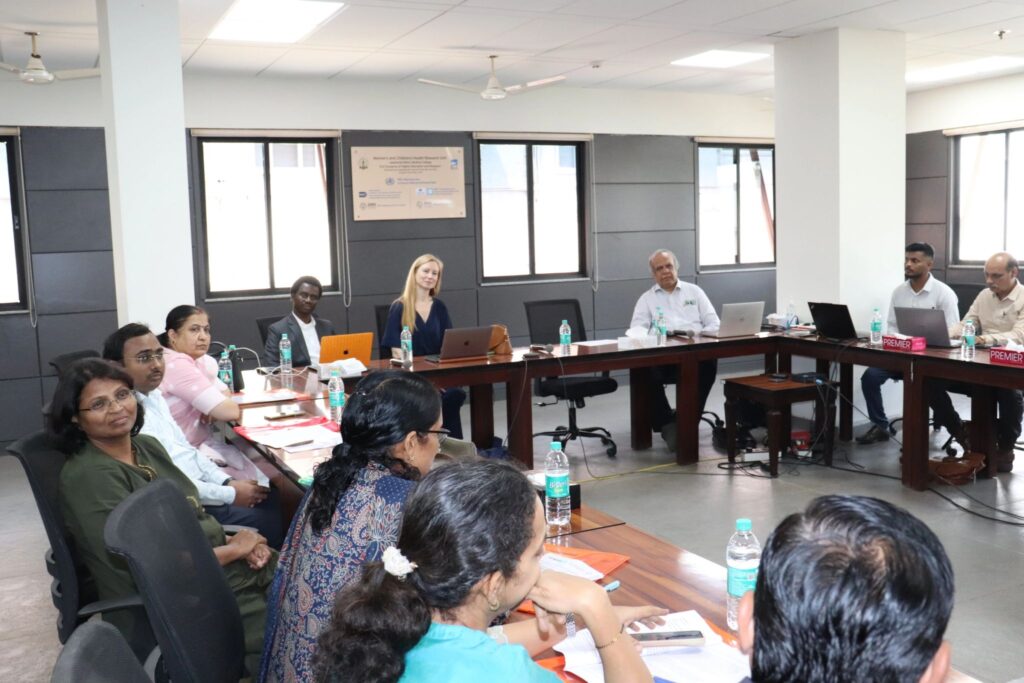
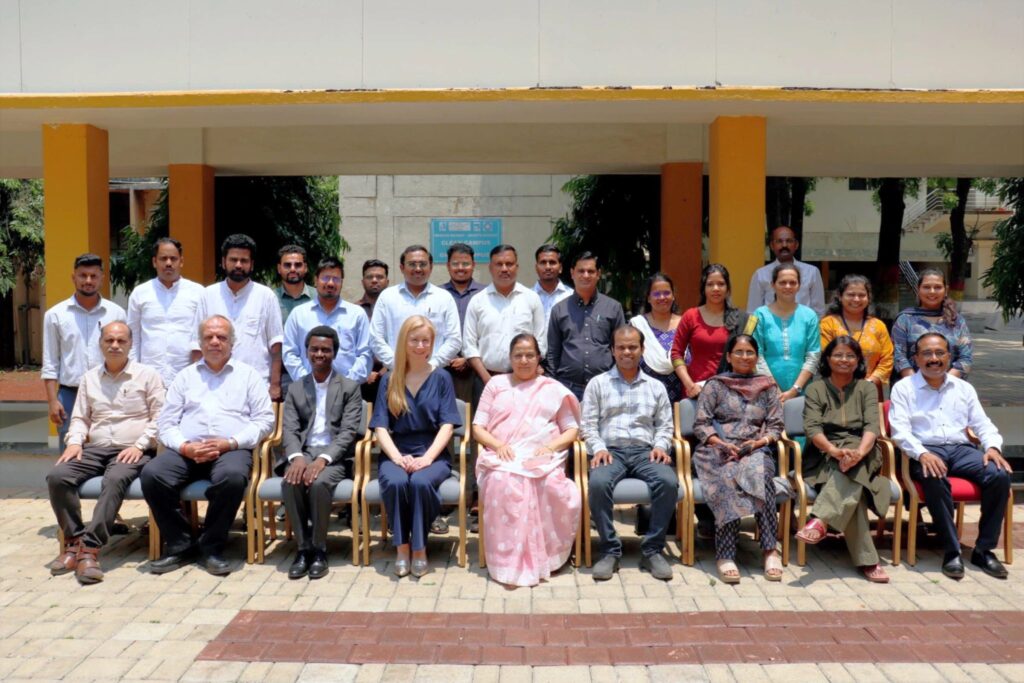
The JNMC Women’s and Children’s Health Research Unit in Belagavi, India, recently became the hub of an inspiring international collaboration. From April 27–29, 2026, the Unit hosted the protocol training for the PAPAGAIO–Delivery study (Placental growth factor testing and planned delivery for late preterm pre-eclampsia), a landmark randomised controlled trial designed to improve outcomes for mothers and infants in low- and middle-income countries.
This trial represents a critical step forward in maternal health research, addressing one of the most pressing challenges—pre-eclampsia in late preterm pregnancies. By integrating placental growth factor testing with planned delivery strategies, PAPAGAIO aims to generate evidence that can transform clinical practice and reduce risks for both mothers and newborns.
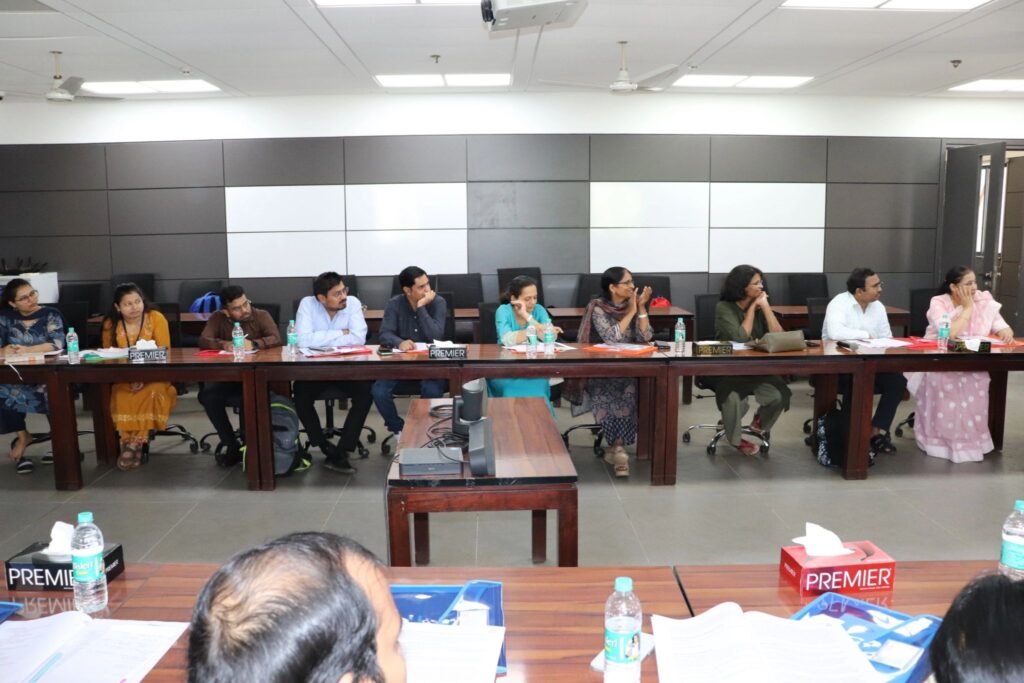
The training brought together a distinguished network of investigators, study consultants, research officers, and data managers from across India and beyond. Institutions represented included:
- JNMC, KAHER (Deemed to be University), Belagavi
- BLDE (DU) Shri B.M. Patil Hospital, Medical College and Research Centre, Vijayapura
- S.N. Medical College, Bagalkot
- PGIMER and Capital Hospital, Bhubaneswar
- KMCRI, Hubballi
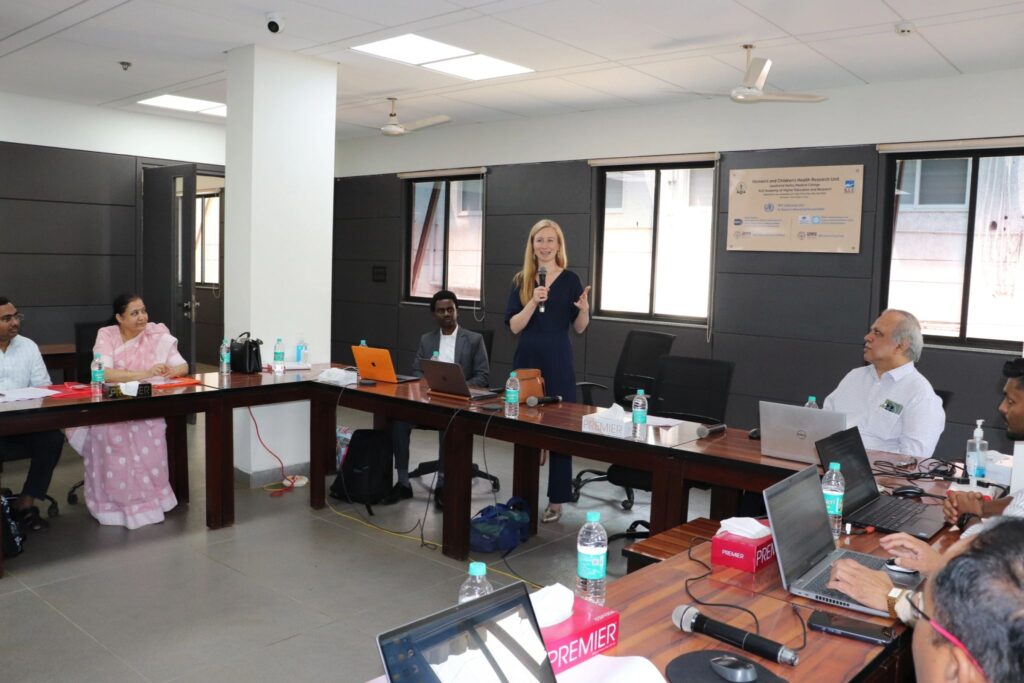
Guided by expert facilitators—Dr Alice Hurrell (NIHR Clinical Lecturer, King’s College London, UK) and Dr Mukape Mukape (University Teaching Hospital, Lusaka, Zambia)—the training sessions emphasised rigorous methodology, collaborative learning, and the shared commitment to advancing maternal health globally.
This milestone underscores the strength of international partnerships in tackling complex health challenges. By uniting expertise from diverse institutions and countries, PAPAGAIO Delivery is poised to generate evidence that will not only inform clinical guidelines but also strengthen health systems in resource-constrained settings.
As CRIBS Global and PAPAGAIO continue to champion innovation in maternal health, the Belagavi training marks a powerful reminder: when research, collaboration, and compassion converge, the impact extends far beyond borders—transforming care for mothers and babies worldwide.