
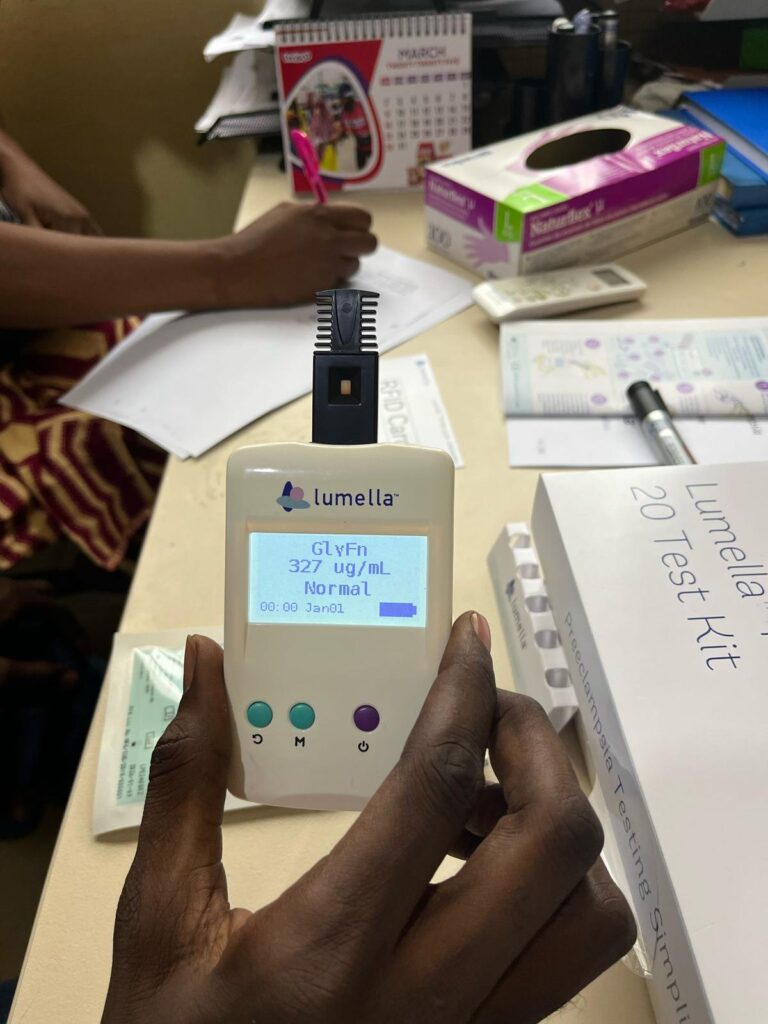
Published in The Lancet Obstetrics, Gynaecology & Women’s Health, the review, led by researchers at King’s College London and CRIBS Global, finds that biomarker testing could transform pre-eclampsia diagnosis in resource-limited settings, but that major barriers to access must be urgently addressed.
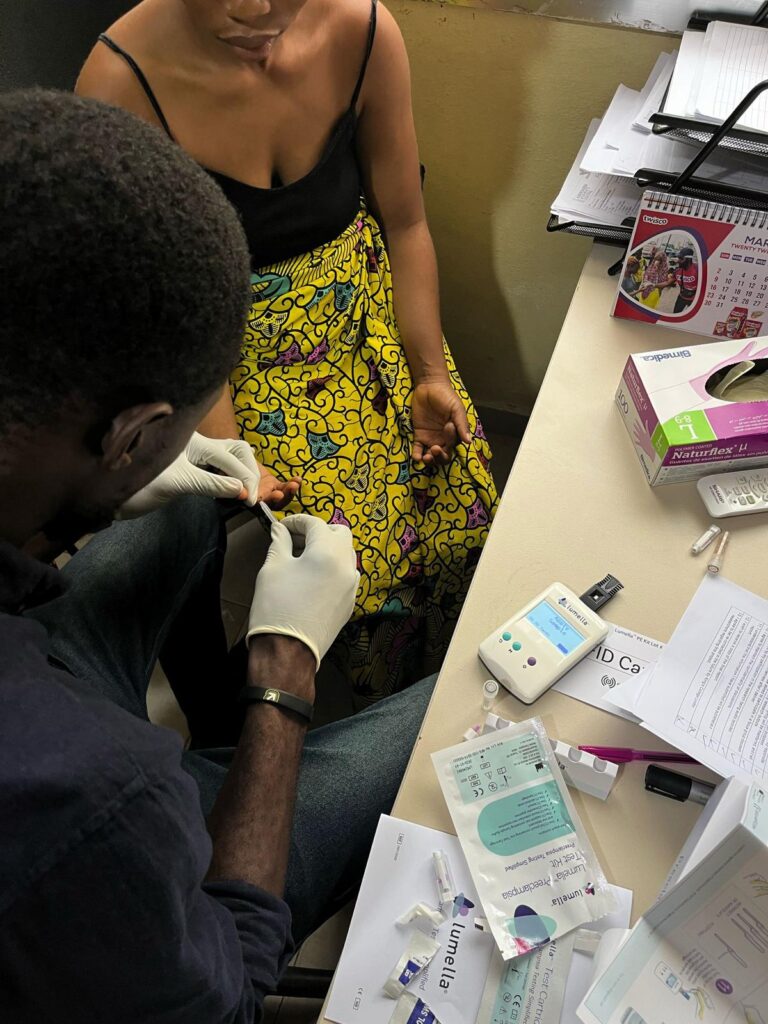 Pre-eclampsia kills an estimated 42,000 mothers and 500,000 babies every year, with 92% of maternal deaths occurring in low- and middle-income countries (LMICs). A review published today in The Lancet Obstetrics, Gynaecology & Women’s Health examines how blood-based biomarker tests could significantly improve diagnosis and risk stratification in the settings where the burden of this disease is greatest, and where access to such tests remains severely limited.
The review, led by researchers at King’s College London (KCL) and CRIBS Global, evaluates the evidence for using angiogenic biomarkers, in particular placental growth factor (PlGF) and the sFlt-1 to PlGF ratio, to diagnose pre-eclampsia in LMICs. It also explores emerging point-of-care (POC) technologies and non-angiogenic biomarkers, and outlines the steps needed for equitable implementation.
 Why this matters
Pre-eclampsia, a dangerous condition in pregnancy characterised by high blood pressure and signs of organ damage, disproportionately affects women in Africa, South Asia, and Latin America. Severe disease is twice as common in African countries compared with the United States, and eclampsia, the life-threatening complication involving seizures, can be nearly 100 times more frequent in LMICs than in high-income countries.
Despite these stark disparities, the majority of pre-eclampsia research and diagnostic innovation has taken place in high-income settings. The current mainstays of detection: blood pressure monitoring and urine dipstick testing, are widely available but have significant limitations: dipstick tests can miss a diagnosis in up to 40% of women with proteinuria, and neither test reliably predicts the most serious complications, including maternal death, eclampsia, and stillbirth.
What the evidence shows
The review synthesises emerging evidence from LMICs showing that biomarker testing, already recommended in clinical guidelines in the UK, Canada, and the USA, could have a significant impact in low-resource settings. Key findings include:
- In Sierra Leone, a normal PlGF result ruled out maternal death and eclampsia with a sensitivity of up to 97%, and no women with a normal result experienced a perinatal death. Half of the women with a very abnormal result experienced a stillbirth or neonatal death.
- In Mozambique, a third of women with very low PlGF concentrations experienced a stillbirth, compared with 5% in those with normal levels – a finding with potentially transformative implications for delivery decisions in settings where ultrasound is unavailable.
- In Mexico, all women with a normal biomarker result who had been clinically diagnosed with pre-eclampsia were later found to have been misdiagnosed, largely having chronic hypertension instead, demonstrating the potential of biomarkers to prevent unnecessary and harmful preterm deliveries.
- Across multiple LMIC settings, women with normal biomarker results remained pregnant considerably longer than those with abnormal results, often more than a month, rather than a few days, demonstrating the potential of biomarkers to guide safe, targeted resource use.
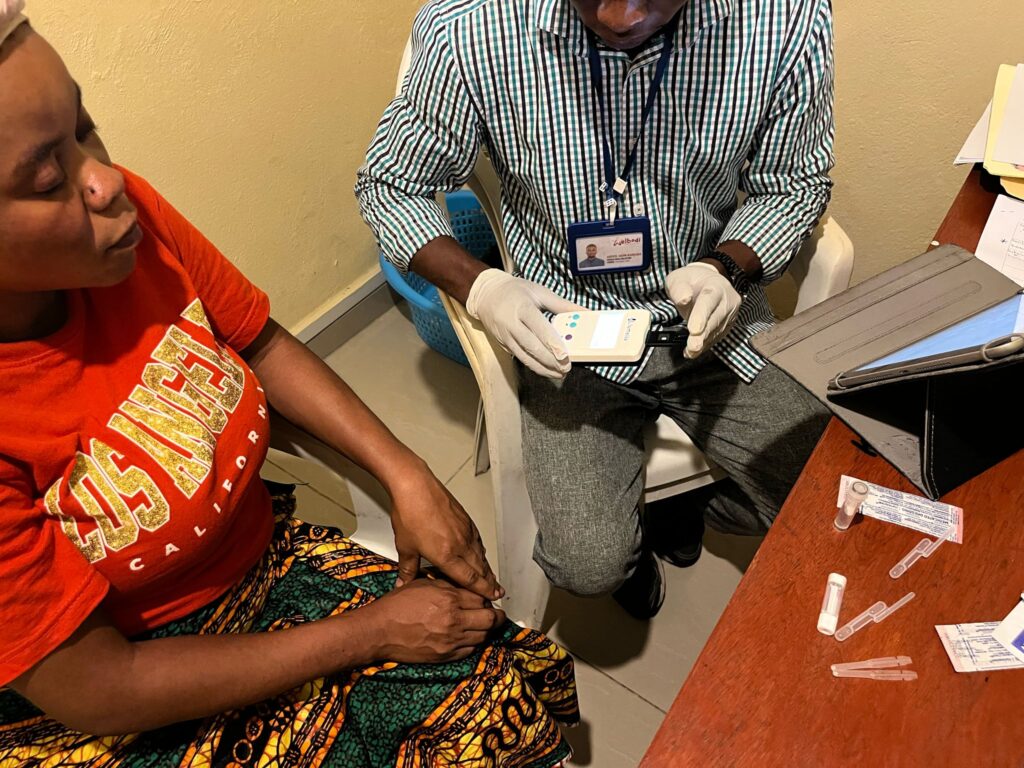 The promise of point-of-care testing
The review highlights that conventional laboratory-based biomarker testing, while accurate, requires centrifugation, specialised equipment, refrigeration, and stable power, making it unfeasible in many LMIC clinical settings. Portable, battery-powered point-of-care (POC) biomarker devices using whole blood, requiring minimal training and returning results within minutes, offer a more accessible alternative. Evidence from Sierra Leone has already demonstrated that POC PlGF tests are accurate, feasible, and acceptable to both patients and clinicians in an LMIC context.
The review also examines promising non-angiogenic biomarkers, including glycosylated fibronectin (GlyFN) and NT-proBNP, which may expand the diagnostic toolkit, particularly as some POC formats are already available.
“Accurate and rapid diagnosis is key to avoiding many unnecessary deaths in both mothers and babies in this condition. Point of Care biomarkers could make a massive difference, said lead author, Dr Louisa Samuels, KCL
Dr Louisa Samuels, King’s College London and CRIBS Global
“Not only could these biomarkers save lives, but also considerably reduce health care costs, so desperately needed in these challenging settings” commented senior author, Prof Andrew Shennan KCL
Professor Andrew Shennan, King’s College London / CRIBS Global
Barriers and the path forward
The authors are clear that biomarker testing is not a silver bullet. Access remains scarce across LMICs outside of research settings, limited by fragile supply chains, absent laboratory infrastructure, and the lack of LMIC-specific cost-effectiveness evidence to support policy adoption. Critically, they emphasise that a test result only adds value when it triggers a clear, evidence-based clinical action, requiring investment in training, guidelines, and referral pathways alongside the technology itself.
The review calls for equitable implementation that prioritises rural and underserved populations, and warns that without deliberate action, new diagnostics could widen rather than narrow existing health disparities.
The authors also highlight the ongoing PAPAGAIO-Diagnosis Trial (ISRCTN70040289), an international randomised controlled trial being conducted across four LMICs, which aims to generate definitive evidence on the clinical and cost-effectiveness of biomarker
Read the full review here.